(951) 779-8862

Dental Implants: What You Need to Know
By Inland Choice Dental | May 11, 2026
Dental Implants: A Complete Guide to Restoring Your Smile
Dental Implants are one of the most effective solutions for replacing missing teeth. They look, feel, and function like natural teeth. At Inland Choice Dental – Dentist Riverside, our dental team believes every patient deserves clear, honest information. This guide covers everything you need to know about implants before making a decision.
What Are Dental Implants and How Do They Work?
A dental implant is a small titanium post. It is placed directly into the jawbone. Over time, the bone fuses with the post in a process called osseointegration. This creates a stable, permanent foundation for a replacement tooth.
Once the implant has bonded with the bone, an abutment is attached. The abutment connects the implant post to the crown. The crown is custom-made to match your surrounding teeth. The result is a restoration that blends seamlessly with your natural smile.
Implants differ from bridges or dentures in one key way. They replace the root of the tooth, not just the visible part. This helps preserve the jawbone and facial structure. No other tooth replacement option does this as effectively.
Who Is a Good Candidate for Dental Implants?
Most healthy adults with missing teeth are potential candidates. A few key factors determine whether implants are right for you. Our dental team evaluates each patient individually and thoroughly. There is no one-size-fits-all answer.
Good candidates typically share these characteristics:
- Sufficient jawbone density to support the implant post
- Healthy gum tissue free from active periodontal disease
- No uncontrolled systemic conditions that affect healing
- Non-smokers or patients willing to quit during the healing process
- Good overall oral hygiene habits
Patients who have experienced bone loss may still qualify. A bone grafting procedure can rebuild the jawbone before implant placement. This adds time to the process but expands candidacy. Our team will discuss all available options with you.
Age can also be a factor. Implants are generally not recommended for younger patients still in jaw development. Adults of any age, including seniors, are often excellent candidates. A thorough evaluation helps determine the right path forward.
The Dental Implant Process: Step by Step
Understanding the process helps reduce anxiety and set expectations. Implant treatment happens in stages over several months. Each stage is important to the long-term success of the implant. Rushing the process can compromise results.
Here is a general overview of the dental implant process:
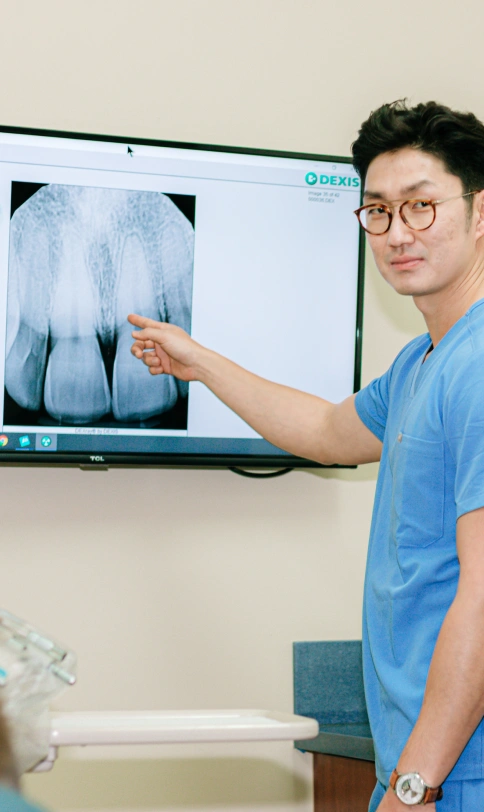
- Initial Consultation: Your dental team reviews X-rays and evaluates your oral health. A customized treatment plan is created at this stage.
- Implant Placement: The titanium post is surgically placed into the jawbone. Local anesthesia ensures comfort throughout the procedure.
- Osseointegration: The healing period lasts several weeks to months. The bone gradually fuses with the implant post during this time.
- Abutment Placement: Once healed, the abutment is attached to the implant. This small connector holds the final crown in place.
- Crown Placement: A custom porcelain crown is attached to the abutment. Your new tooth is now fully functional and natural-looking.
The total timeline varies by patient. Some cases take six months. Others may take a year or more. Patience during the process pays off with a long-lasting result.
Post-operative care is straightforward. Most patients return to normal activities within a few days. Mild swelling and discomfort are common but manageable. Your dental team provides detailed aftercare instructions at each stage.
Benefits of Dental Implants Over Other Options
Dental Implants offer several advantages that other tooth replacement options cannot match. Understanding these benefits helps patients make informed decisions. Here is a closer look at why implants are often the preferred choice.
- Preserve jawbone: Implants stimulate the bone just like natural tooth roots. This prevents bone loss that commonly follows tooth extraction.
- Look and feel natural: Crowns are crafted to match surrounding teeth in color and shape. Most people cannot tell the difference between an implant and a natural tooth.
- Long-lasting results: With proper care, implants can last a lifetime. Many patients never need to replace them.
- No adhesives needed: Unlike removable dentures, implants stay in place permanently. There is no need for messy adhesive creams or nightly removal.
- Improved speech: Missing teeth can affect how you speak. Implants restore proper speech patterns naturally.
- Easy maintenance: You brush and floss implants just like natural teeth. No special cleaning routines are required.
Bridges require shaving down adjacent healthy teeth. Dentures can slip or cause discomfort over time. Implants avoid both of these drawbacks entirely. They are a conservative and long-term solution for tooth loss.
Many patients also report improved self-confidence after receiving implants. A full, healthy smile can positively impact daily life. Social interactions feel easier. Eating and speaking become effortless again.
Caring for Your Dental Implants Long-Term
Implants are durable, but they still require proper care. Good oral hygiene is the most important factor in implant longevity. Neglecting care can lead to a condition called peri-implantitis. This is an infection around the implant that can cause failure.
Daily care for implants includes brushing twice a day with a soft-bristled toothbrush. Flossing around the implant is equally important. Interdental brushes or water flossers can also help clean hard-to-reach areas. A non-abrasive toothpaste protects the crown surface.
Regular dental visits are essential for implant health. Our dental team monitors the implant, gum tissue, and bone at each checkup. Professional cleanings remove buildup that brushing misses. Catching problems early prevents more serious complications.
Avoiding habits that stress the implant also matters. Chewing ice or hard objects can damage the crown. Grinding your teeth puts excessive pressure on implants. A custom night guard can protect your implants if you grind during sleep.
Our team at Inland Choice Dental – Dentist Riverside is here to support you throughout your implant journey. We provide personalized guidance at every stage. Explore our full range of services to learn about other treatments that support your oral health. You can also learn more about our dental team and our approach to patient care.
Conclusion: Is a Dental Implant Right for You?
Dental Implants are a proven, long-lasting solution for missing teeth. They preserve bone, restore function, and look completely natural. The process takes time, but the results are well worth the investment. Millions of patients have transformed their smiles with implants.
Education is the first step toward making the right decision for your oral health. Understanding the process, candidacy, and care requirements empowers you as a patient. Our dental team is committed to guiding you through every question and concern. Learn More about how we can help you.
Frequently Asked Questions
How long do Dental Implants last?
With proper care and regular dental visits, dental implants can last a lifetime. The titanium post is highly durable and fuses permanently with the jawbone. The crown on top may need replacement after 10 to 15 years due to normal wear. Good oral hygiene is the most important factor in long-term success.
Is the dental implant procedure painful?
Most patients report less discomfort than they expected. Local anesthesia is used during the procedure to keep you comfortable. Some soreness and mild swelling are normal in the days following surgery. Over-the-counter pain relief is usually sufficient to manage any discomfort.
How do I know if I have enough bone for an implant?
A dental X-ray or CT scan helps evaluate your jawbone density and volume. If bone loss is present, a bone graft may be recommended before implant placement. This procedure rebuilds the bone to create a stable foundation. Your dental team will determine the best approach during your consultation.
Can dental implants fail?
Implant failure is uncommon but can occur. The most frequent causes include infection, insufficient bone support, and poor oral hygiene. Smoking significantly increases the risk of failure. Following your dental team’s aftercare instructions greatly reduces these risks.
How do I get started with Dental Implants?
The first step is scheduling a consultation with our dental team. During this visit, we evaluate your oral health and discuss your goals. X-rays and a thorough examination help us create a personalized treatment plan. From there, we walk you through each step of the process at your own pace.