(951) 779-8862

Teeth Whitening Appointment: What to Expect in Riverside, CA
By Inland Choice Dental | May 18, 2026
Teeth Whitening: A Complete Patient Guide
A bright smile can boost your confidence. Teeth whitening is one of the most popular cosmetic dental treatments available today. Many patients wonder how it works and whether it is right for them. This guide breaks down everything you need to know in simple, clear terms.
What Causes Tooth Discoloration?
Teeth can become discolored for many reasons. Understanding the cause helps you choose the right whitening approach. There are two main types of tooth stains: extrinsic and intrinsic.
Extrinsic stains appear on the outer surface of the tooth. Common causes include coffee, tea, red wine, and tobacco. These stains respond well to most whitening treatments.
Intrinsic stains occur deeper within the tooth structure. They can result from aging, certain medications, or tooth trauma. These stains are harder to treat and may need a more targeted approach.
- Coffee and tea consumption
- Tobacco use
- Aging and natural enamel wear
- Certain antibiotics taken during childhood
- Excessive fluoride exposure
- Tooth injury or trauma
Knowing what caused your discoloration helps our dental team recommend the most effective solution for you.
How Does Teeth Whitening Work?
Teeth whitening uses a bleaching agent to break apart stain molecules. The most common agent is hydrogen peroxide or carbamide peroxide. These compounds penetrate the enamel and reach the dentin beneath. They oxidize the pigmented molecules, making the tooth appear lighter.
The concentration of the whitening agent matters. Professional treatments use higher concentrations than store-bought kits. This means faster and more noticeable results. It also means a trained professional should oversee the process.
Light or heat is sometimes used alongside the bleaching agent. This can help activate the gel and speed up the whitening process. Not all professional treatments require a light, but some in-office systems use it for enhanced results.
The whitening process does not damage healthy enamel when used correctly. However, overuse or misuse of whitening products can cause sensitivity. That is why professional guidance is so important.
Professional Teeth Whitening vs. Store-Bought Products
Many patients ask whether professional whitening is worth it. There are real differences between clinical and over-the-counter options. Understanding those differences helps you make an informed choice.
Store-bought whitening strips, toothpastes, and trays are widely available. They are convenient and relatively affordable. However, they contain lower concentrations of whitening agents. Results are usually more gradual and less dramatic.
Professional whitening treatments are performed or supervised by a dental team. The gel concentration is stronger and more carefully controlled. This leads to faster, more consistent, and longer-lasting results. A professional also checks your oral health before treatment begins.
- In-office whitening: Fast results, often in a single visit
- Take-home trays from your dentist: Custom-fitted for comfort and effectiveness
- Whitening strips (OTC): Convenient but slower and less powerful
- Whitening toothpaste: Good for maintenance, not dramatic whitening
- Whitening pens: Easy to use but limited penetration
If you want reliable results with minimal risk, professional treatment is the smarter path. Our dental team can evaluate your teeth and recommend the best option for your goals.
What to Expect During a Professional Whitening Treatment
Many patients feel nervous before their first whitening appointment. Knowing what to expect can put your mind at ease. The process is straightforward and typically comfortable.
Before treatment begins, the dental team will examine your teeth and gums. Any existing decay or gum disease must be addressed first. Whitening should only be done on healthy teeth. This step protects both your comfort and your results.
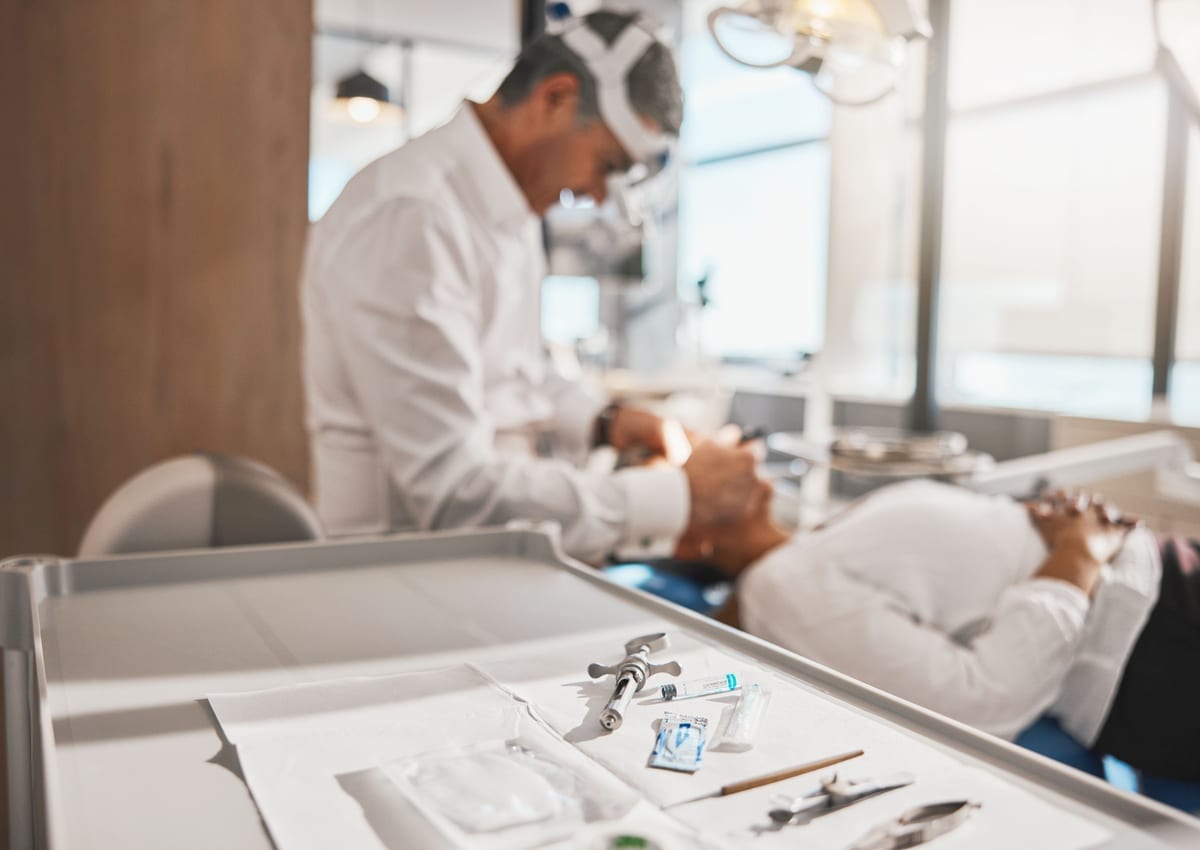
During the procedure, a protective barrier is placed over your gums. The whitening gel is then applied to the teeth. Depending on the system used, the gel may stay on for several intervals. The entire appointment usually takes about 60 to 90 minutes.
After treatment, some patients experience mild sensitivity. This is normal and typically fades within 24 to 48 hours. Drinking cold or hot beverages may feel uncomfortable briefly. Sensitivity toothpaste can help manage this side effect.
You will notice results immediately after an in-office session. Teeth can appear several shades lighter in a single visit. Results can last anywhere from several months to a few years. Maintenance habits play a big role in how long your results last.
How to Maintain Your Results After Whitening
Whitening results do not last forever. Your lifestyle habits have a major impact on how long they hold. Making small changes can significantly extend the brightness of your smile.
Avoid staining foods and beverages right after treatment. The first 48 hours are especially critical. The enamel is more porous during this window. Stick to white or light-colored foods and water during this period.
Regular brushing and flossing keep surface stains from building up. Using a whitening toothpaste for maintenance can also help. Visit your dental team regularly for professional cleanings. These visits remove tartar and surface staining that brushing misses.
If you smoke or use tobacco, reducing or quitting will preserve your results. Tobacco is one of the leading causes of tooth staining. It also affects your overall oral health significantly. Our team at Inland Choice Dental can offer resources to support healthier habits.
Touch-up treatments may be recommended every six to twelve months. Your dental team will guide you based on your specific needs. With the right care, your smile can stay bright for a long time. Explore our full range of dental services to support your overall oral health.
Is Teeth Whitening Right for Everyone?
Teeth whitening is safe and effective for most adults. However, it is not suitable for every situation. Certain conditions may affect whether whitening will work for you.
Whitening does not change the color of dental restorations. Crowns, veneers, and bonding will not respond to bleaching agents. If you have visible restorations on front teeth, this is worth discussing with your dental team. You may need to consider other cosmetic options to achieve an even result.
Pregnant or breastfeeding individuals are generally advised to wait. The safety of whitening agents during pregnancy is not fully established. It is best to postpone elective cosmetic treatment until after pregnancy.
Children and teenagers under 16 should typically avoid whitening treatments. Their teeth and pulp are still developing. Early whitening can cause unnecessary sensitivity. A dentist should always assess readiness before treatment in younger patients.
Patients with severe tooth sensitivity or gum disease should be treated first. Whitening on compromised teeth can worsen discomfort. A thorough dental evaluation ensures you are a good candidate for the procedure.
Frequently Asked Questions
How long does teeth whitening last?
Results vary depending on your habits and the type of treatment used. In-office whitening can last from six months to two years or more. Avoiding staining foods and maintaining good oral hygiene helps extend your results. Touch-up treatments can also refresh your smile as needed.
Does teeth whitening cause permanent sensitivity?
Temporary sensitivity is common after whitening but does not last long. Most patients experience mild discomfort for 24 to 48 hours. Permanent sensitivity from properly administered professional whitening is very rare. Using a sensitivity toothpaste before and after treatment can help reduce discomfort.
Can whitening fix all types of tooth stains?
Whitening works best on extrinsic stains caused by food, drink, and tobacco. Intrinsic stains from medications, trauma, or aging can be harder to treat. In those cases, other cosmetic options like veneers may be more effective. A dental consultation helps determine which approach suits your situation best.
How many shades whiter can I expect my teeth to become?
Most patients see a difference of three to eight shades after professional whitening. Results depend on the original shade of your teeth and the treatment used. In-office treatments typically produce the most dramatic improvements. Your dental team can give you a realistic expectation during your consultation.
Is teeth whitening safe?
Yes, professional teeth whitening is considered safe when performed correctly. The whitening agents used in dental offices are carefully formulated and tested. Gum tissues are protected throughout the procedure. Having a dental professional oversee your treatment minimizes the risk of side effects.
Teeth whitening is a well-researched, effective way to improve your smile. With the right guidance, it is safe and achievable for most patients. Our dental team is here to answer your questions and help you decide if whitening is the right step for you. Learn More about how we can help you.