6216 Brockton Ave #112, Riverside, CA 92506, US
Dental Checkup Frequency in Riverside, CA

By Inland Choice Dental | July 6, 2026
You have probably heard it at least once: see your dentist every six months. But have you ever wondered why six months specifically? Understanding why your dentist says six months — and when they actually mean more — in Riverside can help you take better control of your oral health. The truth is, this recommendation has real science behind it. It also has real exceptions that many patients never hear about.
Where the Six-Month Rule Actually Comes From
The twice-yearly checkup became standard dental guidance decades ago. Early research suggested that plaque and tartar build up significantly within that timeframe. Regular Cleaning Exams at this interval help prevent cavities and gum disease before they progress. That logic still holds for a large portion of the population.
However, the original recommendation was not based on a single landmark study. It emerged from a mix of clinical observation and practical scheduling. Over time, professional dental organizations reviewed the evidence more carefully. The conclusion was nuanced: six months works well for low-risk patients, but it is not a universal rule.
Dr. David Choi at Inland Choice Dental in Riverside follows an individualized approach. He evaluates each patient’s unique risk profile before recommending a visit schedule. Your ideal frequency depends on your health, habits, and history — not just a calendar date.
What Happens During a Routine Checkup in Riverside
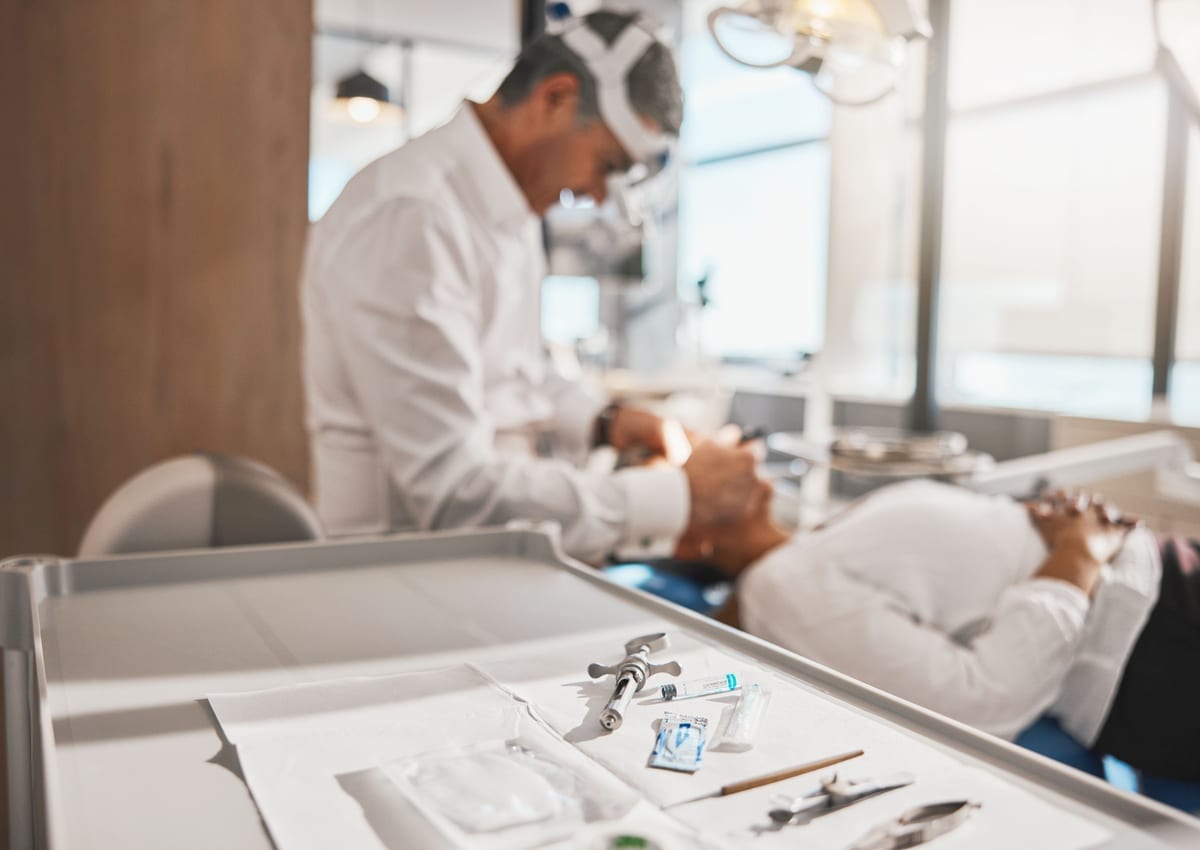
A standard dental visit involves more than just a quick look inside your mouth. Dr. Choi and his team perform a thorough examination of your teeth, gums, and surrounding tissues. They look for early signs of decay, gum disease, oral cancer, and bite problems. Catching these issues early almost always leads to simpler, less invasive treatment.
Here is what a typical visit at Inland Choice Dental includes:
- A professional cleaning to remove plaque and tartar buildup
- A full examination of your teeth for cavities or cracks
- A gum health assessment measuring pocket depth
- Oral cancer screening of soft tissues
- Digital X-rays when clinically appropriate
- A personalized discussion of your at-home care routine
Each of these steps plays a role in preventing larger problems. Skipping even one visit can allow tartar to accumulate in areas a toothbrush cannot reach. That buildup is a direct driver of gum disease and tooth loss.
When Six Months Is Not Enough — Risk Factors That Change the Math
Some patients genuinely need to come in more often than twice a year. This is not about upselling or filling appointment slots. It is about matching care to risk level. Understanding why your dentist says six months — and when they actually mean more — in Riverside starts with knowing your personal risk factors.
Patients who may need visits every three to four months include those with:
- Active or history of gum disease (periodontitis)
- Diabetes or other conditions affecting healing
- Dry mouth caused by medications or health conditions
- A history of frequent cavities or tooth decay
- Heavy plaque or tartar buildup between visits
- Smoking or tobacco use in any form
- Compromised immune systems
Gum disease is particularly important here. Once you have experienced periodontitis, your gum tissue is more vulnerable going forward. More frequent cleanings help manage bacteria levels and slow the progression of bone loss. Dr. Choi will track your gum health at every visit and adjust your schedule accordingly.
Patients with diabetes face a two-way relationship between blood sugar and gum health. Poor gum health can make blood sugar harder to control. More frequent dental care can actually support your overall health management.
When Six Months Might Be More Than You Need
On the other end of the spectrum, some very low-risk patients may do well with annual checkups. These individuals typically have excellent home care habits, no history of cavities or gum disease, and minimal tartar buildup. They may be younger adults without complex health histories.
That said, Dr. Choi rarely recommends stretching visits beyond twelve months. Even for the healthiest mouths, a lot can change in a year. Teeth shift, gums recede, and early decay can develop silently without symptoms. An annual baseline keeps important changes from going undetected.
If you are curious about your personal risk level, the best step is a conversation with Dr. Choi. He will review your records, assess your current oral health, and give you a clear recommendation. There is no guesswork involved — just a plan built around your actual needs.
How Oral Health Connects to Your Broader Health in Riverside
Your mouth is not isolated from the rest of your body. Research continues to strengthen the link between oral health and systemic conditions. Heart disease, respiratory infections, and pregnancy complications have all been associated with untreated gum disease. Regular checkups are an investment in your whole-body health, not just your smile.
For Riverside residents managing busy schedules, this connection matters. Inland Choice Dental makes it easy to stay on track with convenient appointment options and a welcoming team. Whether you are due for a routine cleaning or want to explore Cosmetic Dentistry options, Dr. Choi’s team is here to guide you. Preventive care today saves time, money, and discomfort down the road.
Think of your dental visits the way you think about car maintenance. A six-month oil change works for most drivers. But if you drive under tough conditions, you service your vehicle more often. Your mouth works the same way — your lifestyle and health determine the right interval.
Conclusion: Your Schedule Should Fit Your Life and Your Health
The six-month guideline is a smart starting point for most patients. But it is just that — a starting point. Your ideal checkup frequency depends on your medical history, your oral health habits, and what Dr. Choi observes during your visits. Being informed helps you advocate for yourself and stay consistent with care. Book Now to schedule your appointment with our team.
Frequently Asked Questions
Is the six-month dental visit rule backed by science?
Yes, but with nuance. Research supports twice-yearly visits for low-risk patients as an effective way to prevent cavities and gum disease. However, more recent evidence shows that visit frequency should be tailored to each patient’s individual risk level rather than applied as a fixed universal rule.
How do I know if I need more frequent dental visits?
Your dentist will assess factors like your history of cavities, gum disease, dry mouth, tobacco use, and medical conditions such as diabetes. If any of these apply to you, Dr. David Choi may recommend visits every three to four months instead of every six months.
Can I go once a year instead of twice if my teeth feel fine?
Many dental problems develop without causing pain or visible symptoms until they are advanced. Even healthy-feeling mouths benefit from at least annual professional cleanings and examinations. Dr. Choi can help you determine the safest interval based on your specific oral health history.
Does gum disease really change how often I need to visit the dentist?
Absolutely. Patients with a history of gum disease are at higher risk for recurrence and progression. More frequent cleanings — typically every three to four months — help control the bacterial levels that drive gum inflammation and bone loss. This schedule is a standard part of periodontal maintenance care.
What should I expect at my first visit to Inland Choice Dental in Riverside?
Your first visit with Dr. David Choi will include a comprehensive examination of your teeth and gums, a professional cleaning, and a review of your dental and medical history. You will also have the opportunity to discuss any concerns and get a personalized recommendation for your ideal checkup schedule going forward.