6216 Brockton Ave #112, Riverside, CA 92506, US
Dental Emergency: What to Do Right Away for Tooth Pain, Injury, or Infection

By Inland Choice Dental | April 8, 2026
Experiencing a sudden toothache, a fractured tooth, or an injury to your teeth? Call us today for immediate treatment. Dental emergencies can strike without warning, and it’s crucial to take immediate action to mitigate damage and avoid complications. From severe pain to tooth trauma or infection, this blog covers how to approach a dental emergency. Knowing the right course of action immediately can make a world of difference in your recovery process. Let’s delve in.
Common Dental Emergencies and How To Treat Them
A dental emergency can be daunting, but it’s important to stay calm and know exactly what needs to be done. Below is a breakdown of some of the common emergencies you might experience:
Toothache
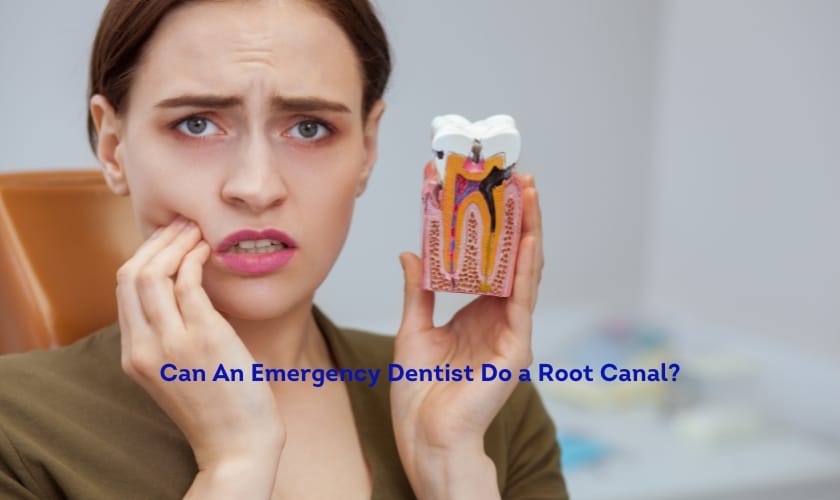
A sudden, sharp, or throbbing toothache most often indicates a deeper problem within the tooth, such as a cavity, infection, or abscess. To temporarily alleviate pain, rinse your mouth with warm water and carefully floss away any debris. Avoid eating on that particular side and call an emergency dentist in Riverside as soon as possible to diagnose and begin treatment.
Lost or knocked-out tooth
When a tooth has been knocked out, it can often be replanted successfully if you act quickly. You should immediately attempt to replace the tooth in the socket it was dislodged from, or at least keep it in a cup of milk or a special solution, as time is of the essence, and a tooth has the best chance of being saved if addressed within an hour of being lost. Be sure to contact an emergency dentist without delay.
Cracked or fractured tooth
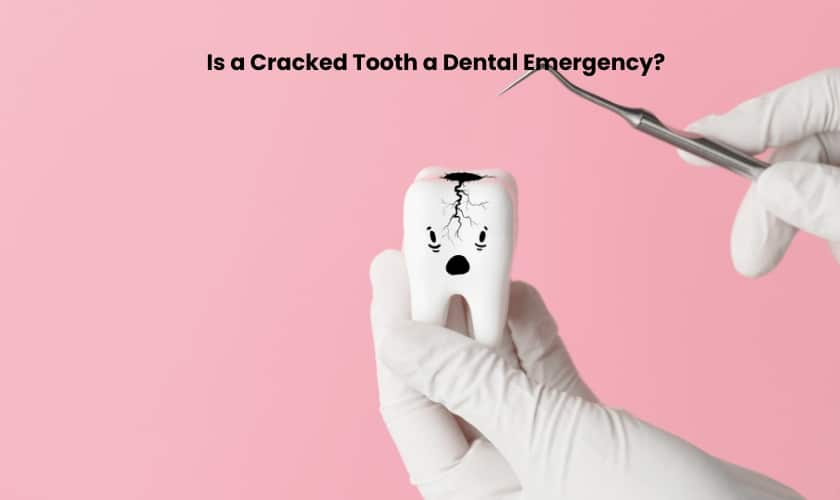
When your teeth crack or chip, it may expose nerves, leading to severe pain and future damage. First, rinse your mouth with warm water and apply an ice compress to reduce swelling. Be sure not to bite down on the tooth until you can visit an emergency dentist and decide on your treatment options (filling, crown, etc.).
Lost or dislodged filling or crown
When a filling or crown comes out, your tooth is left exposed and is susceptible to further damage or infection. If the crown has not been damaged, try to temporarily replace it in the correct position over the tooth using dental cement until you can get an appointment with an emergency dentist in Riverside as soon as possible.
Tooth infection or abscess
An abscessed tooth indicates a serious infection, and if left untreated, it can spread to other parts of the body. A feeling of swelling or pain accompanied by a bad taste in your mouth would usually indicate an abscess. You should first rinse your mouth out with warm salt water and get an immediate appointment with an emergency dentist.
What To Do and How To Avoid Dental Emergencies
You can’t always avoid a dental emergency, but you can significantly reduce the chances of one occurring by practicing the following good habits:
- See a dentist for regular check-ups: Regular check-ups can significantly reduce emergency visits by helping catch potential problems in their earliest stages.
- Wear mouthguards when participating in sports: Any athlete is susceptible to tooth injuries, so ensure you always wear a mouthguard when playing contact sports or when there is an increased risk of mouth trauma.
- Practice proper oral hygiene: The key to healthy gums and teeth is to brush your teeth daily and floss between each tooth.
- Avoid crunchy, hard foods: Eating hard candy or chewing ice can have serious consequences. These habits should be strictly avoided.
Finding Out When You Need to Call Your Dentist for an Emergency
If you are experiencing severe dental pain that is severe, if you have a cut or bruise on your gums or teeth, or if you suspect you are developing dental problems like an abscess or gum infection, please seek out an emergency dentist immediately, as time delays can complicate or worsen the injury to your tooth and lead to a longer recovery period.
In Closing: If You Are Having a Dental Emergency, Don’t Delay—Get Help!
A dental emergency can make anyone feel scared; however, knowing what to do and when to call a dental emergency dentist can be the difference between losing your tooth and losing your overall health. You should contact your emergency dentist in Riverside as soon as possible to obtain professional help with your dental emergency. We want to help you get back on the right path as soon as possible.
Stay informed and know where to go when you experience a dental emergency so you can receive prompt emergency dental treatment. Whenever you require emergency dental treatment, call your emergency dentist for fast, professional care.
Call Inland Choice Dental for Quick Assistance with Your Dental Emergency!
Common Questions About Dental Emergencies
1. What should I do if I have a toothache?
Rinse with warm water, gently floss to remove debris, and take over-the-counter pain relief. Contact your dentist if the pain persists.
2. Can a knocked-out tooth be saved?
Yes, if you act quickly! Try to place the tooth back in the socket or keep it in milk. See your dentist within the first hour.
3. How can I prevent dental emergencies?
Regular dental visits, mouthguards during sports, and good oral hygiene can help prevent most dental emergencies.
4. Is a chipped tooth always a serious issue?
Not necessarily, but it can expose sensitive areas. Rinse with warm water, apply a cold compress, and see your dentist for treatment.
5. What should I do if I lose a crown?
If you have the crown, temporarily place it back with dental cement. Call your dentist immediately for a permanent fix.
6. How do I know if I have a tooth infection?
Symptoms include intense pain, swelling, and sensitivity to heat or cold. If you notice these, seek dental care immediately.