6216 Brockton Ave #112, Riverside, CA 92506, US
Veneers vs. Crowns: Which Is The Right Solution For Restoring Your Damaged Teeth?

By Inland Choice Dental | December 10, 2025
When it comes to restoring damaged or worn teeth, veneers and dental crowns are among the most preferred options. Both have numerous uses to enhance the appearance of your teeth; however, each treatment is applicable in distinct situations. If you are seeking to restore your smile, understanding the differences between these treatments can help you make the best decision.
Veneers and crowns both cover damaged teeth, but they work in different ways. Cosmetic dentists often prescribe both veneers and crowns to treat dental problems such as chipped, stained, or crooked teeth. In this blog, we will help you decide which treatment is best for you.
What are Veneers?
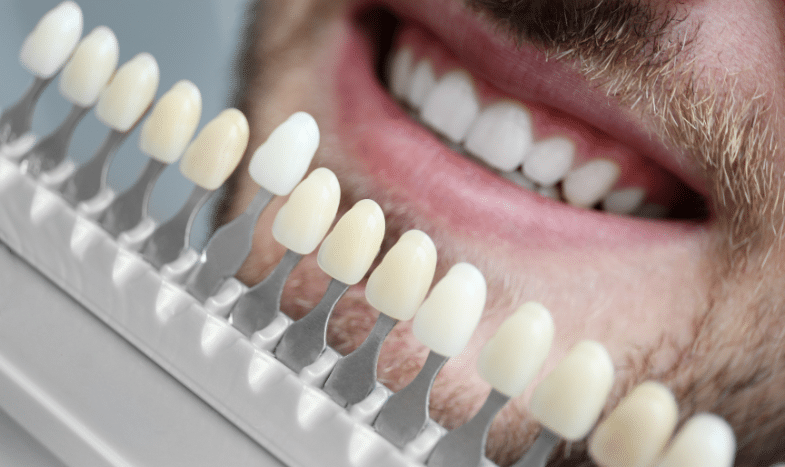
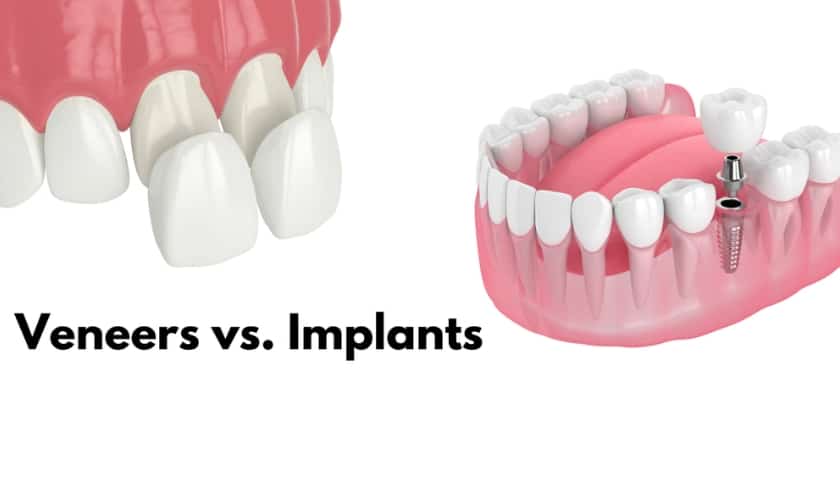
Veneers are very thin shells of porcelain material that are customized to fit the front side of the teeth. This procedure helps address discolored, chipped, and misshapen teeth. A minimal amount of enamel must be removed from the tooth surface to ensure a perfect bond between the tooth and the veneer.
When you are struggling with minor flaws, veneers can dramatically transform your smile in just a few visits to the cosmetic dentist. Porcelain veneers in Riverside, CA, are strong, stain-resistant, and closely replicate the appearance of natural teeth.
What Are Crowns?
A crown, on the other hand, is a cap that completely covers the tooth. Unlike veneers, which only cover the front side of the tooth, a crown covers the entire tooth. This is usually used on a tooth that has been severely damaged or decayed, or on one with a large filling. After the procedure, the tooth can function as before, and eating and talking become easier.
The materials used to create a crown include porcelain, ceramic, and metal. They are considered a more holistic approach for restoring teeth that have deteriorated.
Veneers vs. Crowns: What is Best for You?
Both veneers and crowns can be used for smile restoration and repair, as well as for smile enhancement. Here is a list of some of the main differences between veneers and crowns:
Functionality and Durability
- Crowns: These offer greater strength and help repair badly damaged, cracked, or weakened teeth. Since they cover the whole tooth, they provide the necessary protection for teeth under heavy pressure.
- Veneers: Veneers work best for aesthetic purposes, provided the tooth structure is still in good condition. The veneer will improve the appearance of teeth with minimal damage, though it will not withstand as much pressure as a crown. It is, therefore, not a good option for the back teeth.
Aesthetic Differences
- Veneers: Famous for their natural-looking appearance. These custom-made veneers are created to match the color, shape, and size of the teeth and provide a stunning and natural-looking result for teeth that are visible when you smile.
- Crowns: Even though porcelain crowns can be relatively natural-looking, they do not blend in as well as veneers. Crowns can vary in appearance depending on the chosen material and the extent of tooth damage.
Life Extension and Maintenance
- Veneers: They can last for a long time, but they are considered non-permanent. They can last 10-15 years if properly cared for, but there may come a time when they need to be replaced.
- Crowns: They usually have a longer lifespan than veneers and offer greater durability and protection, especially for teeth requiring extensive work.
Making the Right Decision for Your Smile
Your decision to choose between veneers and crowns depends on what you need. Whether it is for cosmetic purposes or for something more extensive to deal with damaged teeth, both will work effectively. Consulting with your dentist will give you an idea of which option is best for your teeth and what you want.
If you are ready to move forward with improving your smile, please contact us here at Inland Choice Dental. Here at Inland Choice Dental, you can explore your options and make an informed decision about your dental health needs. Our team is committed to helping you evaluate your options and develop a treatment plan that is right for you.
FAQs
- What is the difference between veneers and crowns?
Veneers are thin shells that cover only the front of a tooth, ideal for cosmetic issues like stains or minor chips. Crowns, however, cover the entire tooth, offering strength and protection for severely damaged or decayed teeth and providing a more durable restoration. - Are veneers suitable for all teeth?
Veneers are best for teeth with minimal damage. They’re ideal for correcting cosmetic imperfections such as discoloration, chips, or slight misalignment. However, they may not be suitable for severely decayed or weakened teeth, where crowns are a better option for restoring function and strength. - How long do veneers last?
Porcelain veneers typically last 10 to 15 years with proper care. Regular dental check-ups, good oral hygiene, and avoiding excessive force (like grinding) can help extend their lifespan. Over time, they may need to be replaced due to wear, but they remain durable and aesthetically pleasing. - Can crowns be used on back teeth?
Yes, crowns are ideal for back teeth, which endure heavy chewing forces. Crowns fully cover and protect the tooth, making them suitable for restoring molars or premolars that are damaged, decayed, or weakened. They help restore both functionality and appearance in these areas. - Do veneers or crowns require special care?
Both veneers and crowns require standard oral care, including brushing twice daily, flossing, and regular dental visits. It is essential to avoid hard foods or habits, such as teeth grinding, that can damage these restorations. Proper care ensures both treatments last longer and continue to enhance your smile.